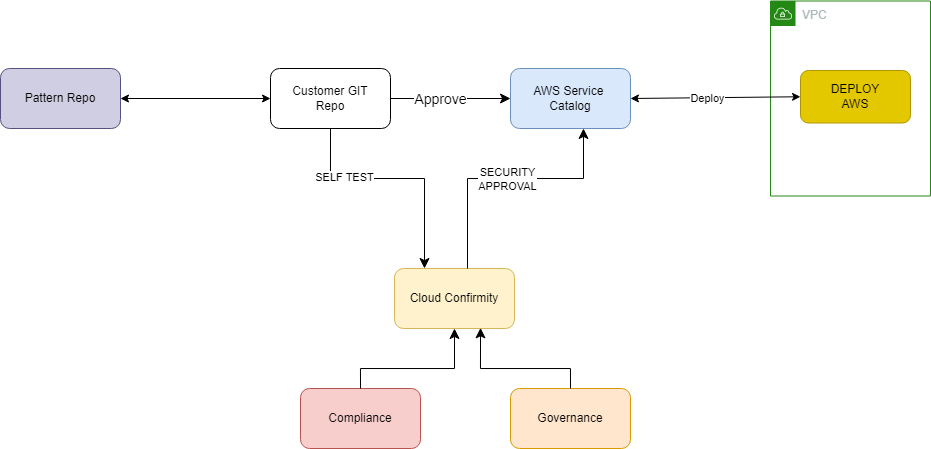
The Pattern Deployment Process is a structured approach used to implement proven design, operational, or software patterns across systems, applications, and business environments. By following a repeatable deployment methodology, organizations can ensure consistency, reduce implementation risks, improve scalability, and maintain quality standards throughout the deployment lifecycle.
Key Stages of the Pattern Deployment Process
1. Pattern Identification
The process begins with identifying the most suitable pattern based on business requirements, technical architecture, and operational objectives. This ensures that the selected pattern aligns with the intended outcomes and organizational standards.
2. Planning and Design
A detailed deployment plan is created, including infrastructure requirements, resource allocation, dependencies, security considerations, and success criteria. Proper planning minimizes disruptions and helps streamline execution.
3. Environment Preparation
Before deployment, all target environments are configured and validated. This includes server readiness, network configurations, access controls, software prerequisites, and compliance checks.
4. Pattern Implementation
The selected pattern is deployed according to predefined guidelines and best practices. Consistent implementation ensures reliability, maintainability, and compatibility across systems.
5. Testing and Validation
Comprehensive testing is performed to verify functionality, performance, security, and stability. Validation helps identify potential issues before the pattern is released into production.
6. Monitoring and Optimization
Following deployment, continuous monitoring is conducted to track performance, detect anomalies, and evaluate effectiveness. Optimization measures are applied as required to enhance efficiency and reliability.
7. Documentation and Knowledge Transfer
Detailed documentation is maintained throughout the process, capturing configurations, deployment procedures, troubleshooting steps, and lessons learned. This supports future maintenance and organizational knowledge sharing.
Benefits of a Structured Pattern Deployment Process
- Improved deployment consistency and standardization
- Reduced implementation risks and errors
- Faster rollout of proven solutions
- Enhanced system reliability and scalability
- Better compliance with organizational policies and security requirements
- Simplified maintenance and future upgrades
Conclusion
A well-defined Pattern Deployment Process enables organizations to deploy solutions efficiently, maintain operational consistency, and achieve long-term scalability. By following a structured methodology, businesses can maximize the value of established patterns while minimizing deployment complexities and risks.